From the archive. Published on 29 June 2021 and not updated since. Figures and job titles may have changed.
While the development within the pharmaceutical industries has reduced the danger factor and therefore the death rate of Malaria, it’s still one of the foremost deadly diseases in most of the developing countries like within the Indian subcontinent.

The parasite kills over 400,000 people per annum while infecting millions. The worrisome aspect is that thanks to its long treatment, the parasite has attained resistance against the prevailing treatments and drugs so scientists keep checking out new methods to tackle such situations.
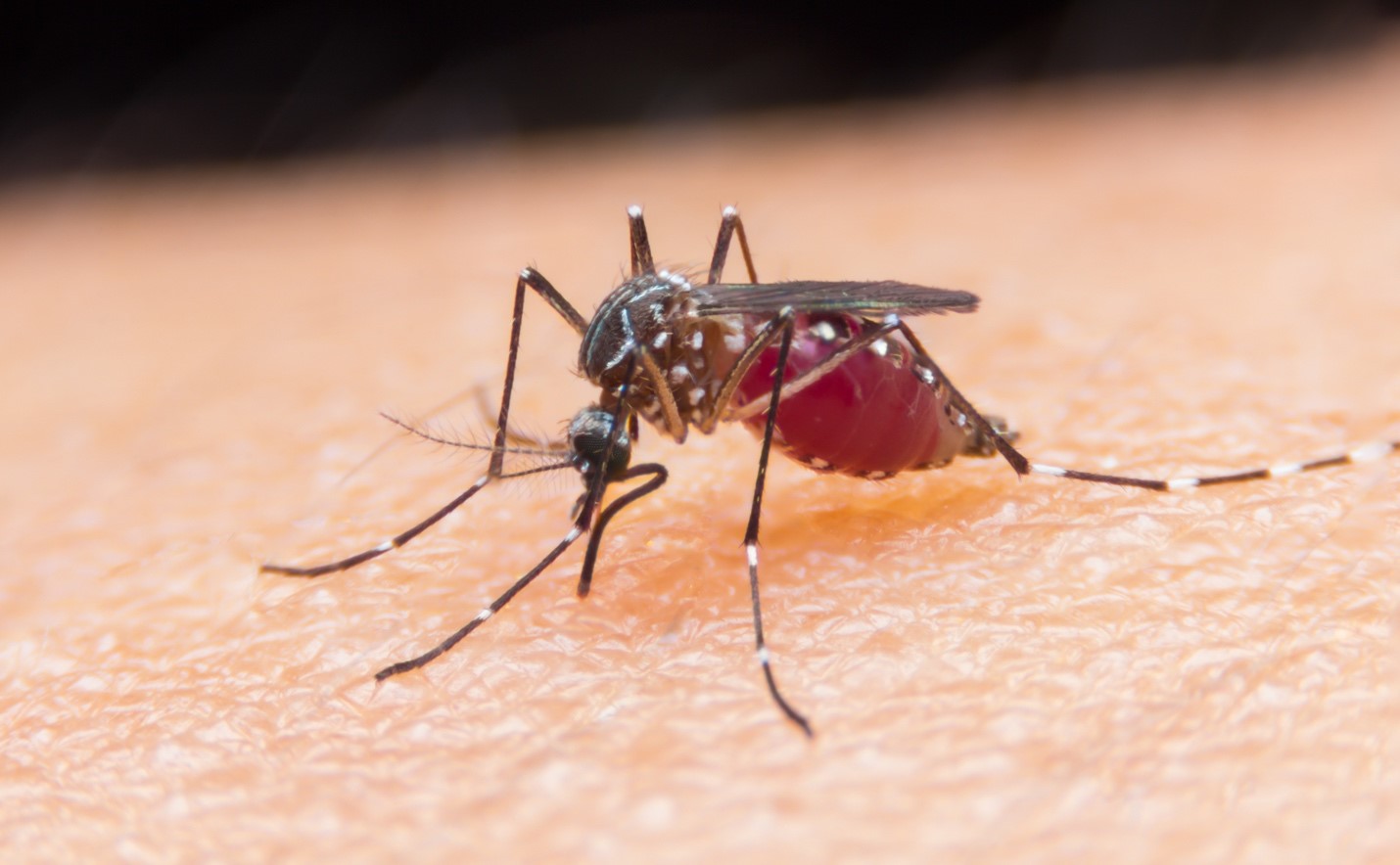
In their research, published in PNAS, the scientists tested with some compounds that would stop the parasite from bursting out of the red blood cells, a process necessary to finish its life cycle and also important to duplicate into more parasites. They found one particular compound which has high efficacy during this process.
“Malaria parasites get into red blood cells where they replicate repeatedly, before bursting out into the bloodstream to repeat the method.
It’s this cycle and accumulation of infected red blood cells which causes the symptoms and sometimes fatal effects of Malaria.
If we will effectively trap malaria within the cell by blocking the parasite’s exit route, we could stop the disease in its tracks and halt its devastating cycle of invading cells,” says Mike Blackman, lead author and group leader of the Malaria Biochemistry Laboratory at the Crick.
The compound works by blocking the substance SUB1 which is required by the parasite to burst out of cells. When this substance is blocked the parasite is trapped inside the cell and dies along with the RBC when its lifespan is completed.
Also, the compounds are often easily transported across the membrane of the cell making its efficiency higher. The resistance of the parasite is additionally overcome because the drug doesn’t actually kill the protozoan.

Chrislaine Withers-Martinez, author and researcher within the Malaria Biochemistry Laboratory, says: “Many existing antimalarial drugs are plant-derived and while they’re incredibly effective, we do not know the precise mechanisms behind how they work.
Our decades of research have helped us identify and understand pathways crucial to the malaria life cycle allowing us to rationally design new drug compounds that support the structure and mechanism of critical enzymes like SUB1.”
The team is constantly optimizing the compound, making it smaller and stronger. If successful, it’ll have to be tested in further experiments and in animal and human trials to point out it’s safe and effective, before being made available to people.
Also Read: 5 ways to keep your eyes healthy
Follow The Healthcare Daily on Google News
New stories appear where you already read the news.
The Healthcare Daily. We report from primary sources and list them on every story.