What you need to know
- Health clusters group government primary care centres, hospitals and specialist facilities in a catchment area under one management.
- Health Holding Company was established on 2 June 2022 under Council of Ministers Resolution No. 469 and says it serves more than 20 million people through 20 clusters.
- The company says 20 clusters were launched by the end of 2023 and the first wave was transferred from the Ministry of Health in 2024; it has published no later milestones.
- The cluster list adds up to 2,134 primary care centres, 280 hospitals and 297 specialist centres by The Healthcare Daily's count.
- The ministry becomes regulator and the National Health Insurance Center the funder, but no start date for insurance purchasing has been published.
- The company runs its own tenders, including performance-based operations contracts, while NUPCO plans a cluster laboratory tender opening on 1 December 2026.
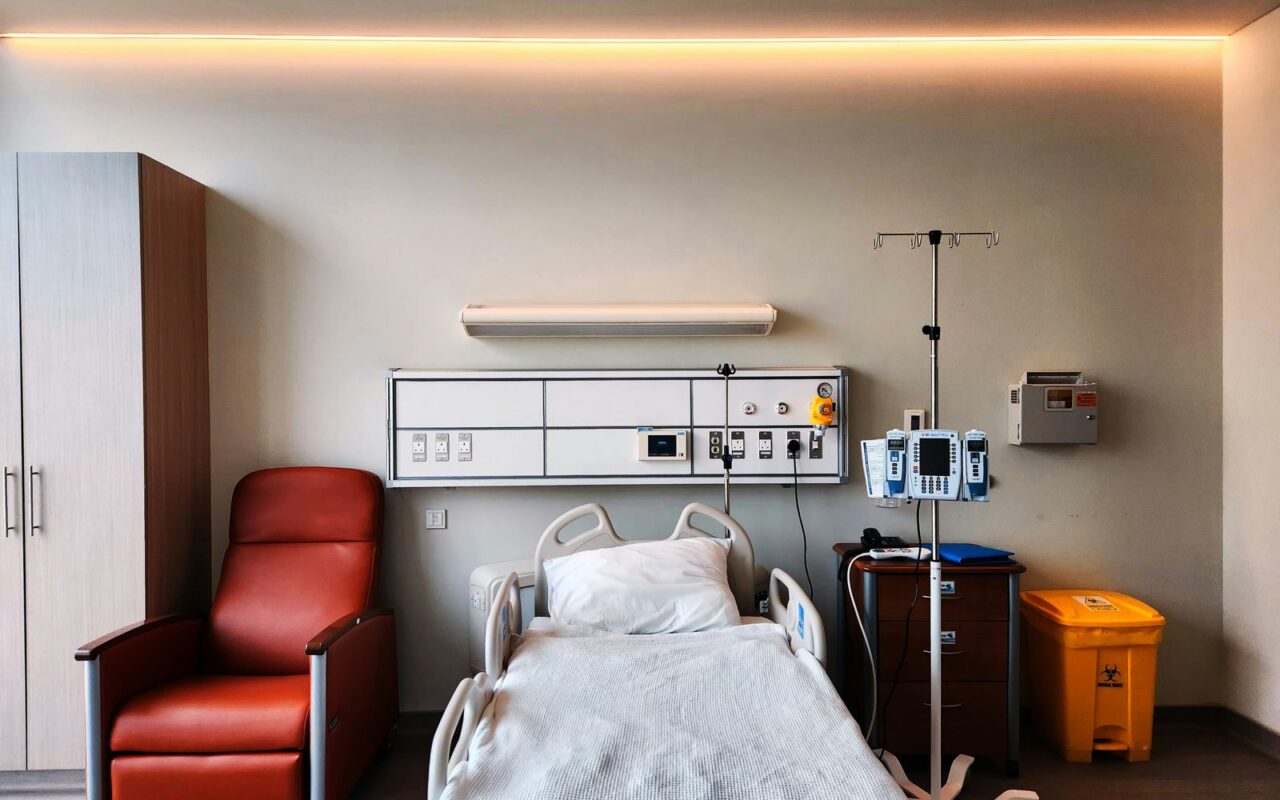
Health clusters are the regional networks of government hospitals, primary care centres and specialist facilities through which Saudi Arabia is moving the delivery of public healthcare out of the Ministry of Health and into a state-owned company, Health Holding Company. For suppliers, private hospital groups and investors, the change alters who buys, who pays and who answers for performance across the public part of the Kingdom’s health system. This guide explains the reform programme behind health clusters, how the company was set up, how far the transfer has gone, the model of care, the funding plans and what it all means commercially, as of November 2026.
What health clusters are
The Ministry of Health’s frequently asked questions on transformation, published in Arabic, define a health cluster as an independent entity that groups health facilities of different levels, from primary care centres to general and specialist hospitals, to provide integrated, self-operated care. The management of all hospitals and health centres in a cluster’s area falls under that cluster. Health Holding Company’s clusters page describes each one as encompassing all healthcare facilities within a designated catchment area, including primary care centres, hospitals and medical cities or specialist hospitals.
The ministry’s corporatisation page sets out the intended end state. Clusters are meant to become integrated care organisations, described as accountable care organisations, each responsible for the health of a defined population, including early detection, health awareness and follow-up from childhood to old age. Within a cluster, patients and staff can be moved between facilities without referral back to the ministry. Care paths cover prevention, chronic disease, palliative care, urgent care, maternal and child care, and elective care.
That is a different model from the one it replaces. According to Health Holding Company’s description of the transformation, the Ministry of Health previously funded and delivered care and oversaw the clusters. After the change, the company owns and manages the health clusters, the ministry becomes regulator and supervisor, and the National Health Insurance Center becomes the funder.
The programme behind health clusters
The reform sits under the Health Sector Transformation Program, one of the programmes listed on the Vision 2030 website. The ministry’s programme guide page says the programme aims to improve access to and the quality of health services by developing hospitals, health centres and ambulatory services, to promote digital transformation, to put prevention ahead of treatment and to improve road safety.
The programme document the ministry links as its introductory guide, a 2020 to 2021 delivery plan, says the programme was launched by royal decree. It organises the work around four strategic cornerstones, better health, better care, better sustainability and better workforce, and eight branches including governance and regulation, value and cost, private sector participation, integrated care provision, and data and digitalisation. It states that the ministry would stop being a care provider and act as regulator and monitor, with clear separation of the regulator, provider and financier.
The plan’s cluster design differs from what exists today. It called for 22 health clusters, each serving roughly one million people, with five launched first as a test phase by ministerial decree and the other 17 run through five business-region units under a health holding company. The ministry’s corporatisation plans page likewise lists setting up “a holding company and five health enterprise covering the Kingdom”. Health Holding Company now lists 20 clusters, and its pages reviewed for this guide do not refer to regional business units, although the ministry’s corporatisation overview still describes the company as setting up and supervising such units to free health clusters from centralised decision-making.
The plan also set targets that matter to suppliers. It projected the population rising from 33.4 million in 2018 to 39.4 million by 2030, set a goal of 70% self-sufficiency in designated health security supplies, and planned extended-hours primary care at 312 selected centres with a target of four visits per person a year. These are plan targets; the ministry pages reviewed do not report progress against them.
Health Holding Company: set-up and governance
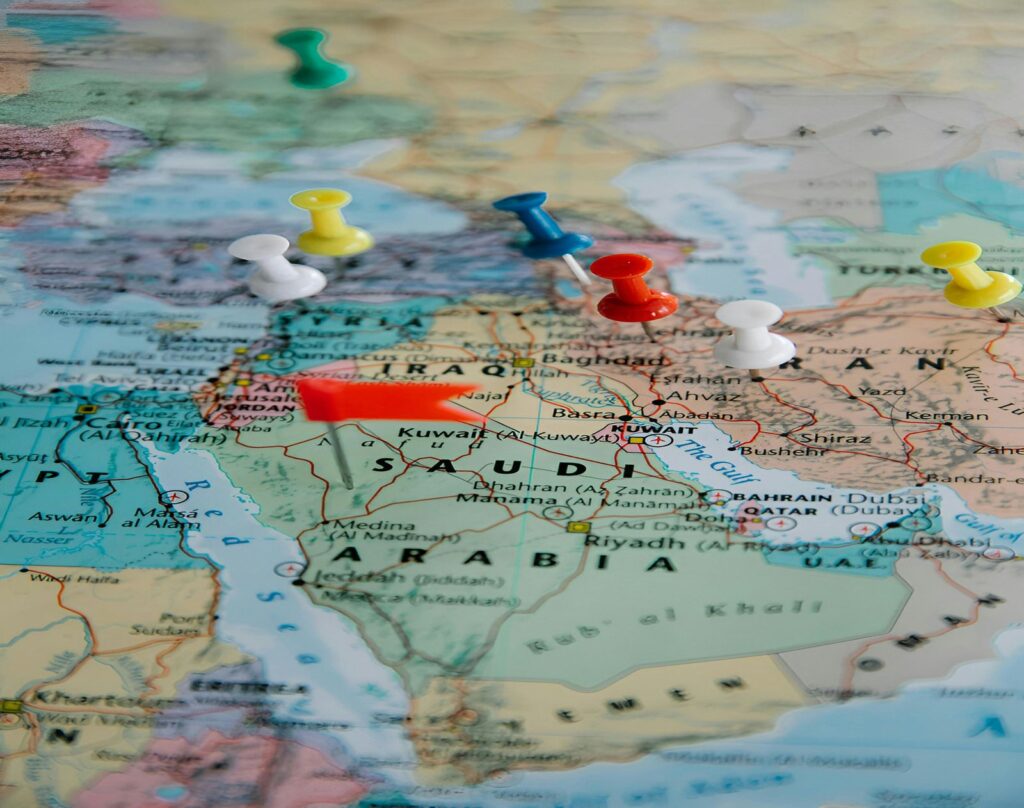
According to its about page, Health Holding Company was established on 2 June 2022 under Council of Ministers Resolution No. 469 of 19/08/1443H. The same resolution approved the organisation of the National Health Insurance Center. The company describes itself as a national, state-owned company providing comprehensive and integrated care through 20 health clusters that serve all regions of the Kingdom, and says it provides services to more than 20 million people.
Its board is chaired by the Minister of Health, Fahd bin Abdulrahman Al-Jalajel, and its chief executive is Nasser bin Mohammed Al-Haqbani. The company lists six strategic objectives covering population health, workforce development, sustainable finances, patient-centred care, digital systems and governance, and says it is leading the conversion of health clusters into accountable care organisations.
The ministry’s frequently asked questions explain the employment side of the move. Staff in cluster hospitals and centres may transfer voluntarily from the civil service to a self-operating programme of the cluster’s entities. The transfer the FAQ describes was open to civil service employees with less than 25 years of service; those with more than 25 years are assigned to the cluster and continue in their current civil service jobs. A ministry employee who transfers receives an open-ended contract, and can either combine earlier civil service years with social insurance under the benefits exchange system or settle their pension dues for those years.
From ministry to clusters: the transfer so far
Health Holding Company’s home page sets out the milestones it has published.
| Year | Milestone, as published by Health Holding Company |
|---|---|
| 2016 | Healthcare transformation workshops lead to a national strategy and the corporatisation and model of care initiatives |
| 2017 | First health cluster established; model of care piloted in five regions |
| 2018 | Model of care implemented nationwide |
| 2022 | Health Holding Company established |
| 2023 | First phase completed: 20 health clusters launched, more than 20 million beneficiaries registered in primary care centres, 8 care pathways implemented |
| 2024 | Second phase launched: refreshed strategy activated, first wave of clusters transferred from the Ministry of Health to the company, cluster structures and employee housing approved |
As of November 2026, the company’s site lists no milestones for 2025 or 2026. It does not say which clusters were in the first wave, how many have since transferred, or when the remaining transfers will be complete. Those details are therefore not given here.
The ministry also published earlier targets. Its corporatisation plans page lists converting 37% of hospitals and health centres into health enterprises by 2020 and raising operational capacity by 25% by 2021. The page does not say whether those targets were met.
The 20 health clusters in numbers
The company’s cluster list gives the population served, facilities and beds for each health cluster. The figures below are as published when viewed in November 2026. All population figures are “more than” totals, and two bed counts are given as “up to”.
| Health cluster | Beneficiaries | Primary care centres | Hospitals | Specialist centres | Beds |
|---|---|---|---|---|---|
| Riyadh First | 3.6 million+ | 161 | 18 | 17 | Up to 4,000 |
| Riyadh Second | 3.8 million+ | 93 | 9 | 12 | 2,449 |
| Riyadh Third | 829,000+ | 151 | 14 | 5 | 1,945 |
| Qassim | 1 million+ | 156 | 19 | 24 | 2,909 |
| Eastern | 1.9 million+ | 124 | 21 | 15 | 3,456 |
| Al-Ahsa | 1.3 million+ | 57 | 10 | 2 | 2,055 |
| Hafar Al-Batin | 617,000+ | 38 | 7 | 9 | 1,000 |
| Makkah | 1.9 million+ | 110 | 15 | 24 | 3,094 |
| Madinah | 2.3 million+ | 153 | 17 | 16 | 3,118 |
| Jeddah First | 1.8 million+ | 57 | 6 | 7 | 1,111 |
| Jeddah Second | 996,000+ | 13 | 7 | 39 | 1,965 |
| AlTaif | 1 million+ | 109 | 15 | 15 | 2,640 |
| Hail | 746,000+ | 110 | 14 | 10 | 1,940 |
| Tabuk | 886,000+ | 85 | 12 | 12 | 1,488 |
| Al-Jouf | 595,000+ | 60 | 14 | 14 | 1,806 |
| Northern Borders | 373,000+ | 42 | 11 | 14 | Up to 1,460 |
| Aseer | 2.1 million+ | 281 | 29 | 18 | 3,389 |
| Najran | 495,000+ | 67 | 11 | 8 | 1,300 |
| Jazan | 1.4 million+ | 174 | 21 | 26 | 2,225 |
| Al-Baha | 303,000+ | 93 | 10 | 10 | 1,245 |
By The Healthcare Daily’s count of the per-cluster figures, the 20 clusters list 2,134 primary care centres, 280 hospitals and 297 specialist centres; the medical cities are listed separately and are not in the hospital total. The company does not publish a national bed total, and two of the cluster bed counts are upper limits, so no total is given. The list marks four clusters, Riyadh First, Riyadh Second, Makkah and Madinah, as including a medical city. Aseer has the largest primary care network, with 281 centres, while Jeddah Second has 13 primary care centres but 39 specialist centres.

The model of care the clusters deliver
The clusters are built to deliver the Saudi model of care. Health Holding Company’s model of care page describes a person-centred framework with six systems of care: Keep Well, Planned Care, Urgent Care, Safe Birth, Chronic Care and Palliative Care. It sets a fourfold goal for 2030: improving patient experience, establishing a value-based system, improving population health and increasing staff job satisfaction.
The company says 8 care pathways were implemented by 2023, covering heart attack, stroke, early detection of breast cancer, early detection of cancers of the colon and rectum, severe injuries, adult obesity, adult diabetes and palliative care. It also says 40 specialist centres across its 20 clusters have received American Heart Association accreditation for heart attack and stroke care. These are the company’s own statements.
The strategic goals attached to the model are operational: effective asset and facility management, transparency and accountability, better access and efficiency, clear governance, efficient spending and oversight based on beneficiary satisfaction. For suppliers, the company’s procurement already reflects that emphasis: its operations contracts tie payments to performance indicators, as described below.
Who pays: insurance and purchasing
The funding side is still being built. The ministry’s health insurance and purchasing programme page describes three pillars: strategic purchasing of healthcare services, assessment of cost-based health risks and restructuring of the provider network, with universal health coverage as the goal. Under the delivery plan, the National Health Insurance Center would pay for care and buy services from the clusters, with funding from the Ministry of Finance and a goal of comprehensive coverage for citizens free of charge.
The ministry’s frequently asked questions say coverage is intended to be comprehensive and free, with no monthly or annual premiums, that it includes pregnancy follow-up and medicines obtainable free at pharmacies, and that roll-out will be gradual by region. No launch date is given in the sources reviewed for this guide. Mandatory private health insurance is a separate system; our report on mandatory cover for home care after discharge covers one recent change there.
Medicine dispensing already shows how cluster facilities connect to private providers. Under the Wasfaty service, delivered through the ministry’s agreement with NUPCO, patients of government health centres and hospitals collect prescribed medicines free of charge from participating private pharmacies, according to the ministry’s partnerships page.
What it means for suppliers
The first change is the buyer. Health Holding Company runs its own tenders, listed on its procurement page. When viewed in November 2026, the page showed one open competition and 15 closed ones, all labelled public competitions. They included performance-based operations contracts for cleaning, laundry, general maintenance, medical maintenance and agriculture across the company’s facilities, a pre-qualification round for specialist security guard firms, a patient experience call centre tender that asked bidders to propose an investment model, and leases of premises for primary care centres in several health clusters.
The general maintenance tender ties payments and evaluations to key performance indicators and service level agreements, and the security pre-qualification commits bidders to performance indicators and service level agreements.
Leasing is a steady category: five of the closed competitions were for primary care premises in the Northern Borders health cluster, the open competition was a lease for a health centre in the Riyadh Third health cluster, and one closed tender sought warehouse space of at least 2,000 square metres for the King Salman Kidney Disease Center in the Riyadh Second cluster.
The second is unified procurement. NUPCO’s tenders plan, as viewed in November 2026, includes a tender for the supply of devices with reagents and consumables for the general laboratories of government health cluster hospitals affiliated to the Ministry of Health, priced at a fixed value per confirmed result and labelled GPPRR (Phase 2), with an expected bid opening on 1 December 2026 and final results by 1 April 2027. Laboratory suppliers therefore meet at least part of cluster demand through NUPCO as well as through the company’s own tenders. See our NUPCO supplier profile.
The third is the rulebook. The Ministry of Finance’s guidance on the 2019 procurement law says companies in which the state owns more than 51% must follow the law’s general principles. Health Holding Company describes itself as state-owned; its procurement page does not state which procurement rules it applies. Suppliers already used to multi-year service agreements with Saudi health buyers, documented in our analysis of device maintenance contracts, will recognise the company’s use of key performance indicators and service level agreements in its operations contracts.
Health IT is a fourth area. The company’s cluster pages list Sehhaty, Seha, Anat and the Unified Medical Record as channels for accessing services, and the programme’s delivery plan included a unified electronic health record, a Saudi Health Information Exchange and a National Health Information Center for national e-health initiatives. The company has not published technical integration requirements for vendors on the pages reviewed.

What it means for private operators and investors
The reform was designed with a role for private capital. The ministry’s frequently asked questions say the programme seeks private partners to finance capital and operating projects, naming hospitals and medical cities, primary care centres, rehabilitation and long-term care, home care, and support services such as radiology and laboratories. Private providers will work to quality standards set and monitored by the ministry, and the FAQ says performance indicators will give them an incentive to cut waiting times.
The same document said amendments to the investment law were under way to let foreign companies provide health services. It says basic health services will not carry fees, while optional extras such as cosmetic procedures or private rooms may be charged, and that small and medium enterprises may also find business opportunities in the programme.
The ministry’s private sector participation page lists aims including attracting investment, improving the regulatory framework and introducing new financing methods, and its work streams page names one stream, radiology. The delivery plan identified nine areas of private sector participation and said King Faisal Specialist Hospital & Research Centre, a Listed 100 hospital, was moving to become an independent not-for-profit institution.
For listed private hospital groups and their investors, health clusters are both a competitor and a potential customer. The ministry’s frequently asked questions say the National Health Insurance Center will buy services from government companies and other providers, which would make it a potential purchaser for private hospitals as well as for the clusters. No official source reviewed sets out the prices or contract forms for such purchasing as of November 2026. Profiles of the main providers are in our Listed 100, and policy changes are tracked in the policy and payers section.
What to watch next
- Further transfer waves. The company has published the 2024 first wave but no later milestones; announcements on remaining clusters would show the pace of the move out of the ministry.
- Insurance purchasing. Any start date for the National Health Insurance Center buying services from clusters would change how cluster revenue is earned.
- Cluster laboratory procurement. NUPCO’s GPPRR (Phase 2) tender for cluster hospital laboratories is due to open on 1 December 2026, with final results expected by 1 April 2027.
- New procurement law. The replacement Government Tenders and Procurement Law, published on 4 September 2026, takes effect 120 days after publication, in January 2027, and will govern government entity tenders.
- Company tenders. Health Holding Company’s procurement page shows the categories it buys directly, from facilities management to leased premises.
Readers following individual contracts and appointments can use the Tracker and our providers section, where changes at health clusters and Health Holding Company will be reported as they are published.
Questions readers ask
What are health clusters in Saudi Arabia?
Health clusters are regional networks of government health facilities, including primary care centres, general and specialist hospitals and medical cities, managed as single entities. The Ministry of Health defines a cluster as an independent entity providing integrated, self-operated care. Health Holding Company owns and manages the 20 clusters, which together serve all regions of the Kingdom.
What is Health Holding Company?
Health Holding Company is a state-owned national company established on 2 June 2022 under Council of Ministers Resolution No. 469. It owns and manages Saudi Arabia's 20 health clusters and says it serves more than 20 million people. Its board is chaired by the Minister of Health, and its chief executive is Nasser bin Mohammed Al-Haqbani.
How many health clusters are there in Saudi Arabia?
Health Holding Company lists 20 health clusters, launched by the end of 2023. The programme's earlier delivery plan had called for 22 clusters each serving about one million people. The current list runs from Riyadh First, Second and Third to Al-Baha, and by The Healthcare Daily's count includes 2,134 primary care centres and 280 hospitals.
Have all ministry hospitals moved to Health Holding Company?
Not according to any published milestone. Health Holding Company says the first wave of clusters was transferred from the Ministry of Health in 2024. As of November 2026 its website lists no milestones for 2025 or 2026 and does not say which clusters have transferred or when the remaining transfers will be complete.
Who funds the health clusters?
Under the reform design, the Ministry of Health becomes regulator, Health Holding Company the provider, and the National Health Insurance Center the funder that buys services from clusters. The programme's delivery plan said funding would come from the Ministry of Finance. No start date for insurance purchasing appears in the official sources reviewed.
How do suppliers sell to health clusters?
Health Holding Company publishes its own public competitions, including performance-based operations contracts for facilities services, a pre-qualification round and premises leases. Medicines, devices and laboratory supplies are also bought through NUPCO, whose 2026 tenders plan includes a tender for devices, reagents and consumables for the general laboratories of government health cluster hospitals, due to open on 1 December 2026.
Sources
Announced plans, figures and dates are as stated in the sources below at the time of publication and can change. Conclusions drawn from them are our reading.
- Health Holding Company: home page
- Health Holding Company: about us
- Health Holding Company: health clusters
- Health Holding Company: health clusters list (viewed November 2026)
- Health Holding Company: Saudi model of care
- Health Holding Company: procurement (viewed November 2026)
- Ministry of Health: HSTP guide page
- Ministry of Health: Health Sector Transformation Program delivery plan (introductory guide) (PDF)
- Ministry of Health: Vision Realization Office FAQs (PDF, Arabic)
- Ministry of Health: corporatization of healthcare facilities
- Ministry of Health: current plans for corporatization
- Ministry of Health: private sector participation
- Ministry of Health: private sector participation work streams
- Ministry of Health: health insurance and purchasing of healthcare services
- Ministry of Health: private sector partnerships
- Vision 2030: home page
- NUPCO: tenders plan (viewed November 2026)
- Ministry of Finance: Government Tenders and Procurement Law FAQ (PDF, Arabic)
- Umm al-Qura: Government Tenders and Procurement Law (1448H) text (Arabic, published 4 September 2026; Article 101)
Follow The Healthcare Daily on Google News
New stories appear where you already read the news.
The Healthcare Daily. We report from primary sources and list them on every story.